
Guides · 5 min read
Marble vs. Quartzite for Kitchen Countertops
By Flora Marble team · 28 May 2026 · Updated 23 July 2026
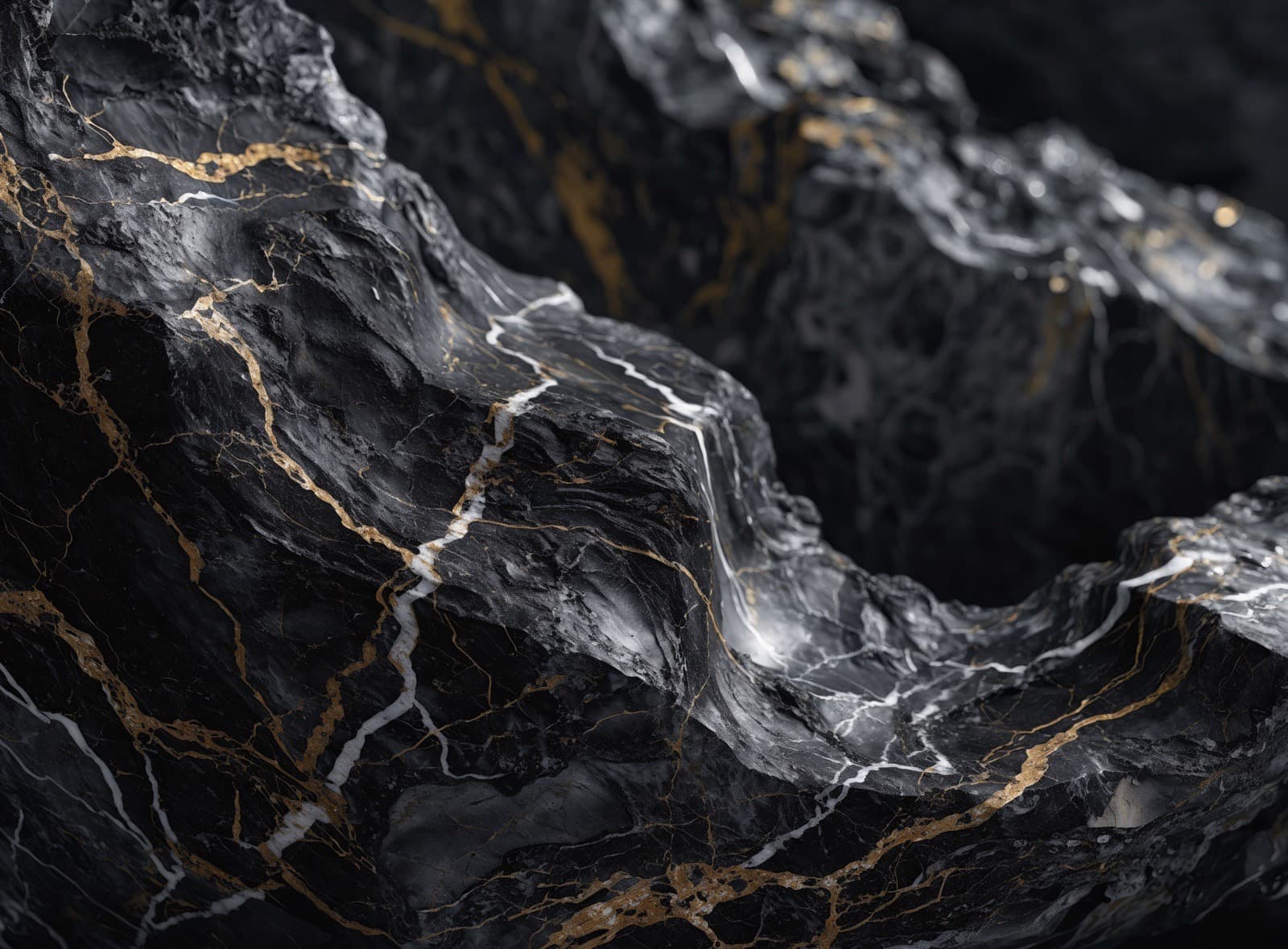
First, a crucial distinction: quartzite is not quartz
Natural quartzite is a metamorphic rock formed from sandstone — a single, solid stone cut from the earth. Engineered “quartz” (brands such as Caesarstone or Silestone) is a man-made composite of crushed minerals and resin. This guide is about natural quartzite versus natural marble — two real stones, not a manufactured surface.
How marble and quartzite differ
- Hardness
- Quartzite is significantly harder (around 7 on the Mohs scale) than marble (around 3), so it resists scratches far better.
- Etching
- Marble is calcium carbonate and etches when it meets acid. Quartzite is largely silica and does not etch from kitchen acids.
- Appearance
- Marble offers the softest, most painterly veining. Quartzite can mimic marble but often has a more crystalline, glassy look.
- Maintenance
- Both should be sealed. Marble asks for a more forgiving owner; quartzite is more hard-wearing day to day.
Which should you choose?
Choose marble if you love its depth and movement and you are comfortable with a surface that develops a patina over time — a honed finish and regular sealing make it very liveable. Choose quartzite if you want a marble-like look with maximum durability in a hard-working kitchen and minimal worry about acids.
- Decide how much patina you are comfortable with.
- Compare honed vs. polished — honing hides wear.
- Always view the actual slab; natural stone varies block to block.
- Confirm sealing and care expectations before you commit.
Whichever you choose, see the slab in person. Photographs flatten the very movement that makes natural stone worth choosing.
See it in person
Reading about stone is one thing — standing in front of it is another.
Flora Marble is an Italian and imported marble supplier in Mumbai — our stocked slabs stand in the Mumbai gallery ready to compare side by side, and catalogue stones are sourced to order from the quarry and finished at our own factory. Visit, and our family will help you choose.
Frequently asked
- Is quartzite better than marble for kitchens?
- Quartzite is harder and more resistant to scratches and acid etching than marble, which makes it more forgiving in a busy kitchen. Marble offers softer, more painterly veining but needs more careful use. The better choice depends on whether you prioritise durability or the look and patina of marble.
- Is quartzite the same as quartz?
- No. Natural quartzite is a solid stone quarried from the earth. Engineered quartz is a man-made composite of crushed minerals bound with resin. They are different materials despite the similar names.
- Does marble etch more than quartzite?
- Yes. Marble is calcium carbonate and etches when exposed to acids like lemon or vinegar. Quartzite is mostly silica and does not etch from common kitchen acids.
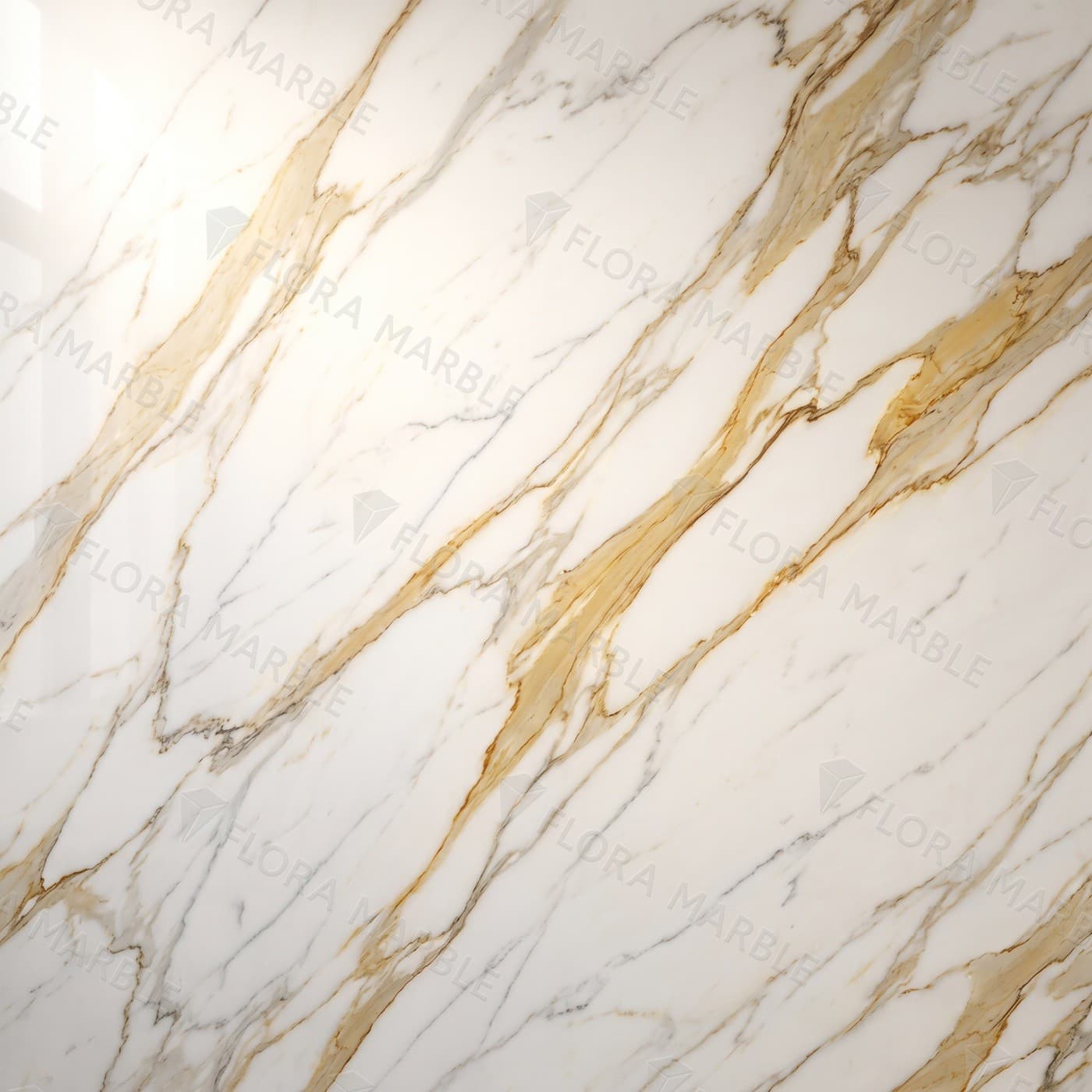
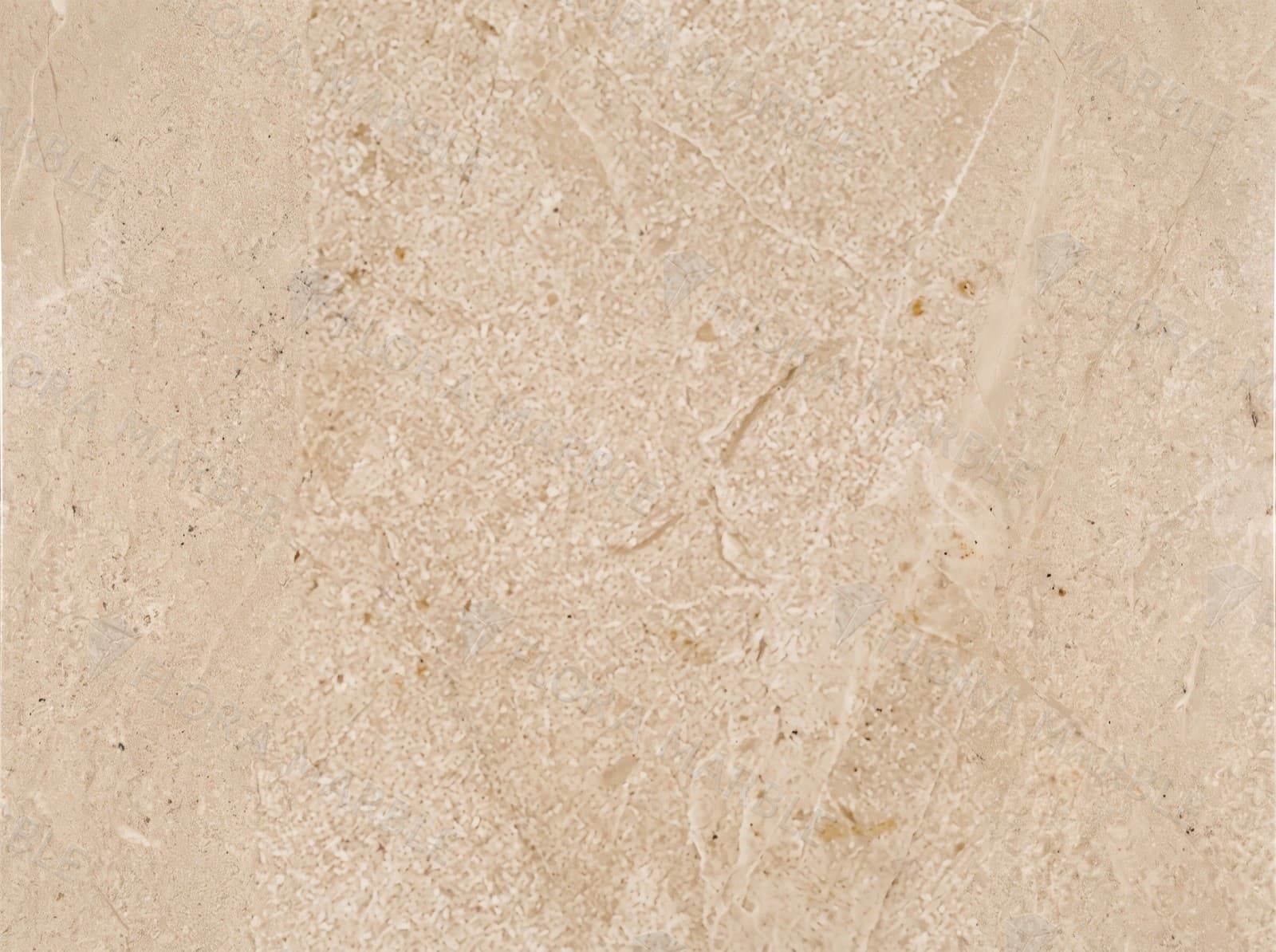
Stones in this story
Keep reading
Stone 101
Top 3 Best Italian Marble Varieties: Carrara, Calacatta and Corchia Compared
Carrara, Calacatta and Corchia compared: how each one looks, where it works best, and how to choose between them for floors, islands and feature walls.
Buying guides
10 Best Granite and Marble Kitchen Slabs to Elevate Your Interiors
Ten granite and marble slabs for kitchen countertops and islands, how to choose between them for colour, durability and upkeep, and what to check before you buy.