
Care · 5 min read
How to Care for Marble and Natural Stone
By Flora Marble team · 4 June 2026 · Updated 23 July 2026

Everyday cleaning
For day-to-day care, less is more. Wipe surfaces with a soft cloth and warm water, or a cleaner specifically labelled pH-neutral and safe for natural stone. Blot spills as they happen rather than letting them sit.
What to avoid
- Acidic cleaners and anything containing lemon, vinegar or bleach — they etch marble.
- Abrasive scouring pads or powders that can scratch a polished surface.
- Leaving wine, citrus, coffee or oil to sit on the stone.
- Generic all-purpose sprays, unless they clearly state they are stone-safe.
How often should you seal stone?
Most marble, travertine and onyx benefits from a penetrating sealer, which slows the absorption of liquids and buys you time to wipe spills. A simple test: leave a few drops of water on the surface for a few minutes. If the stone darkens, it is ready to be resealed. For a kitchen, once or twice a year is typical.
Etching vs. staining
Etching — a dull mark where acid has reacted with the stone — is different from a stain. A stain sits within the stone; an etch is a change to the surface itself. On honed stone, light etching is easy to live with and often blends in over time. Many owners come to value this patina as part of marble's character; if you prefer pristine, choose a honed finish and be diligent with acids.
Finish is a maintenance decision
A honed (matte) finish hides etching and scratches far better than a high polish, which shows every mark but returns more light and depth. Your choice of finish is as much about upkeep as it is about looks.
See it in person
Reading about stone is one thing — standing in front of it is another.
Flora Marble is an Italian and imported marble supplier in Mumbai — our stocked slabs stand in the Mumbai gallery ready to compare side by side, and catalogue stones are sourced to order from the quarry and finished at our own factory. Visit, and our family will help you choose.
Frequently asked
- How often should marble be sealed?
- For most kitchens, once or twice a year. A quick test: leave a few drops of water on the surface; if the stone darkens within a few minutes, it is time to reseal. Low-traffic surfaces need sealing less often.
- Can I use vinegar or lemon to clean marble?
- No. Marble is calcium carbonate and reacts with acids, so vinegar, lemon and other acidic cleaners will etch the surface. Use warm water or a pH-neutral, stone-safe cleaner instead.
- What's the difference between a stain and an etch on marble?
- A stain is a discolouration absorbed into the stone, usually from oil or pigment. An etch is a dull mark where acid has chemically altered the polished surface. Sealing helps prevent stains; avoiding acids prevents etching.
Stones in this story
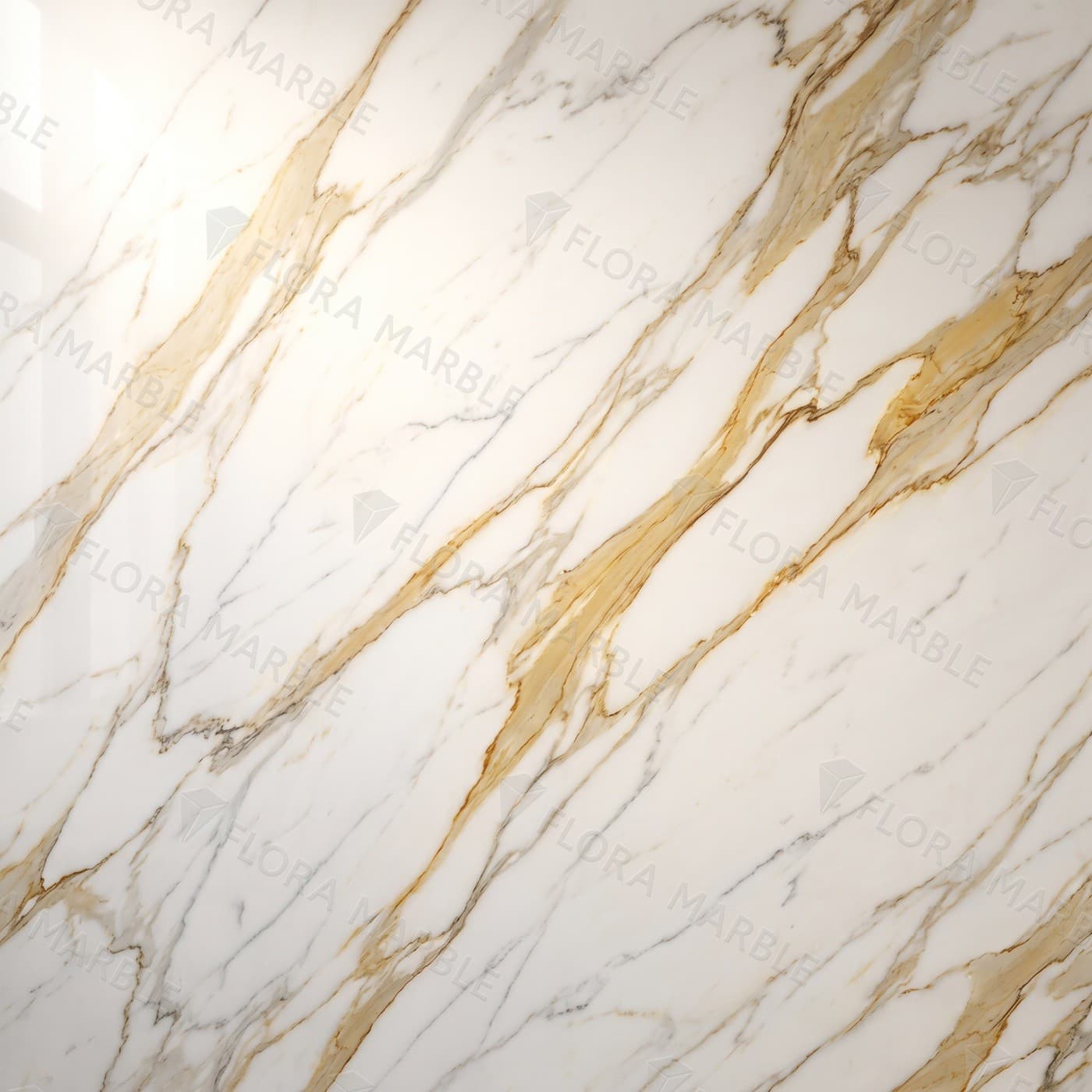
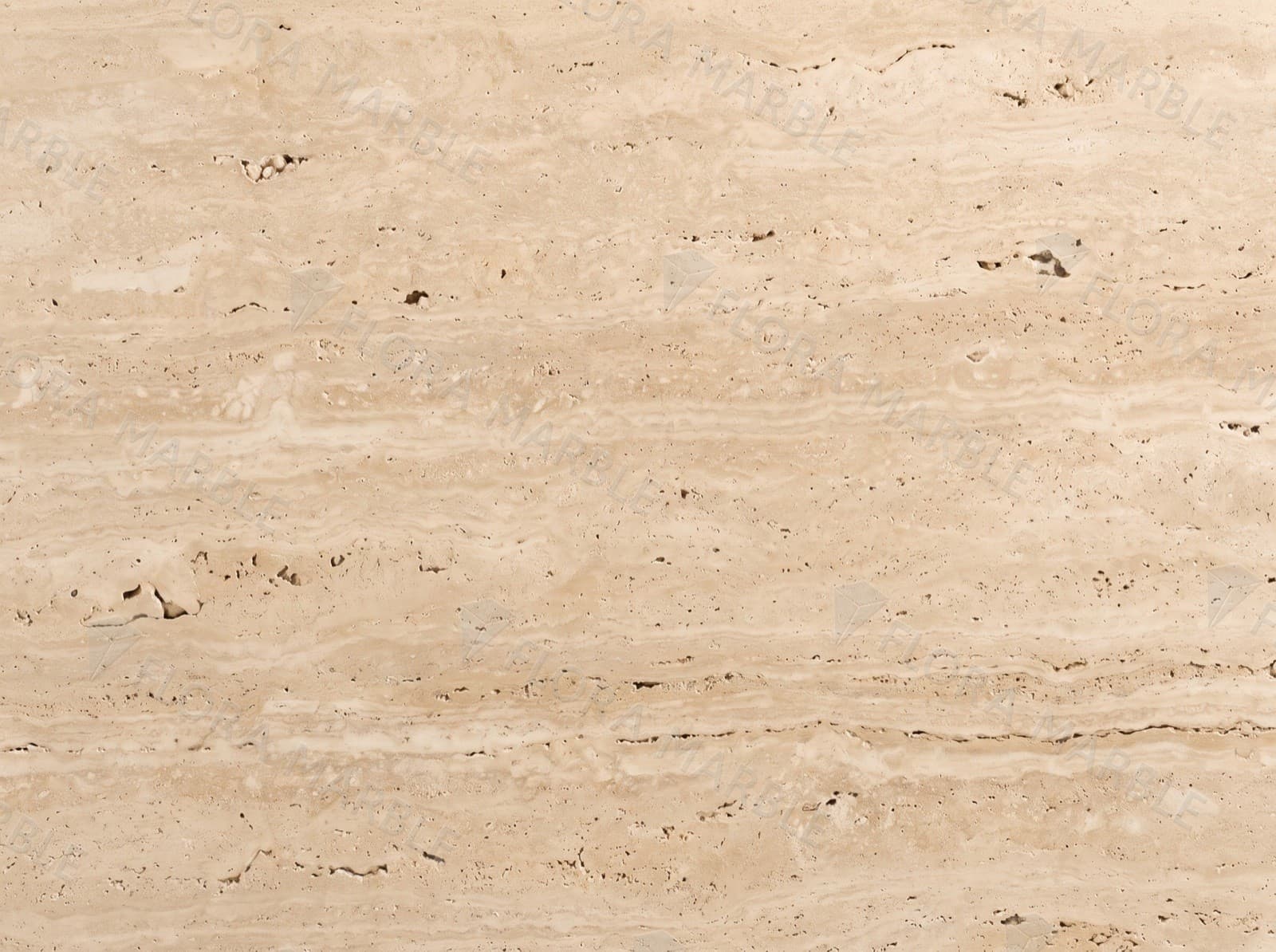
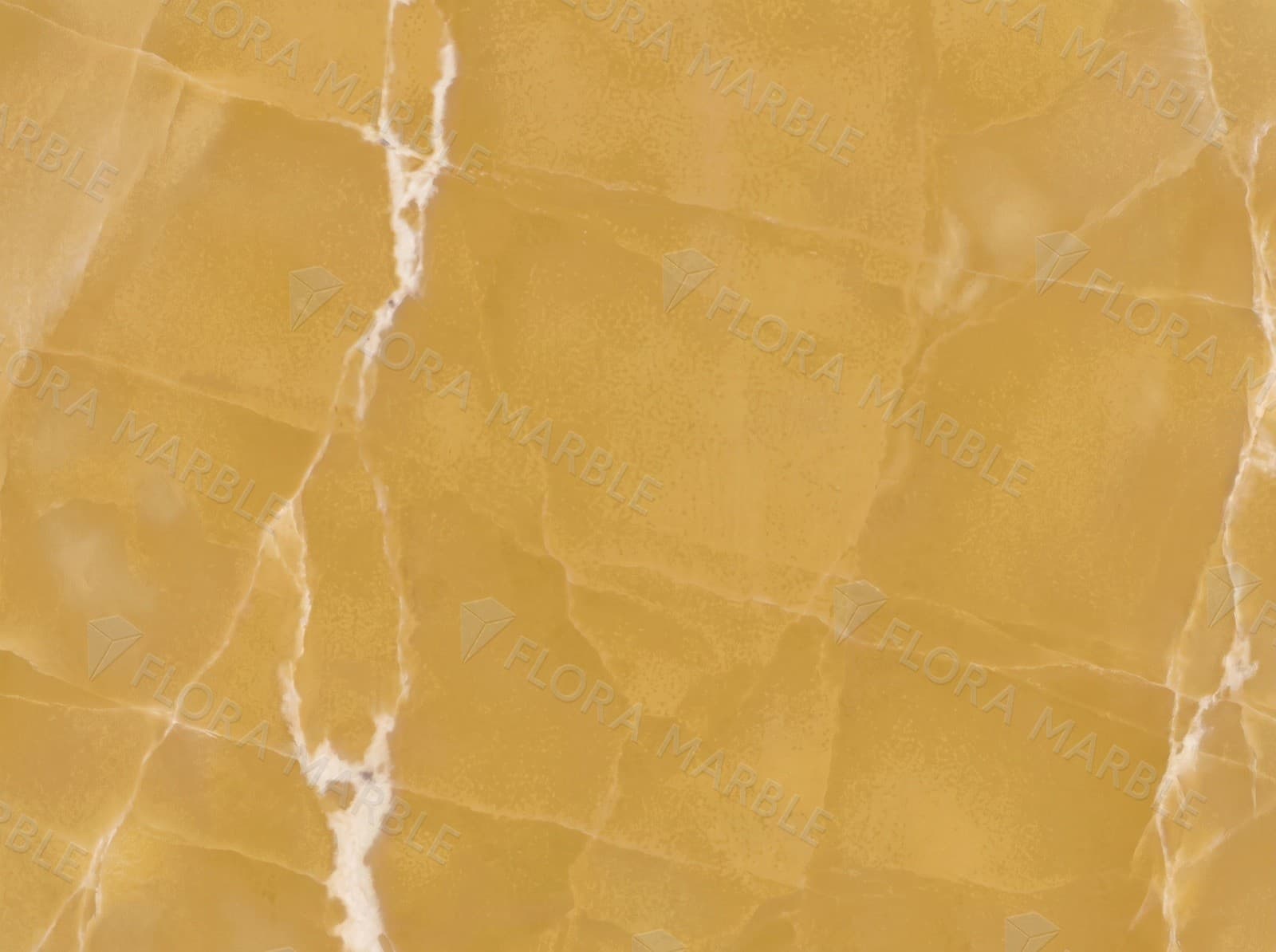
Keep reading
Stone 101
Top 3 Best Italian Marble Varieties: Carrara, Calacatta and Corchia Compared
Carrara, Calacatta and Corchia compared: how each one looks, where it works best, and how to choose between them for floors, islands and feature walls.
Buying guides
10 Best Granite and Marble Kitchen Slabs to Elevate Your Interiors
Ten granite and marble slabs for kitchen countertops and islands, how to choose between them for colour, durability and upkeep, and what to check before you buy.