
Buying guides · 6 min read
10 Best Granite and Marble Kitchen Slabs to Elevate Your Interiors
By Flora Marble team · 15 September 2026
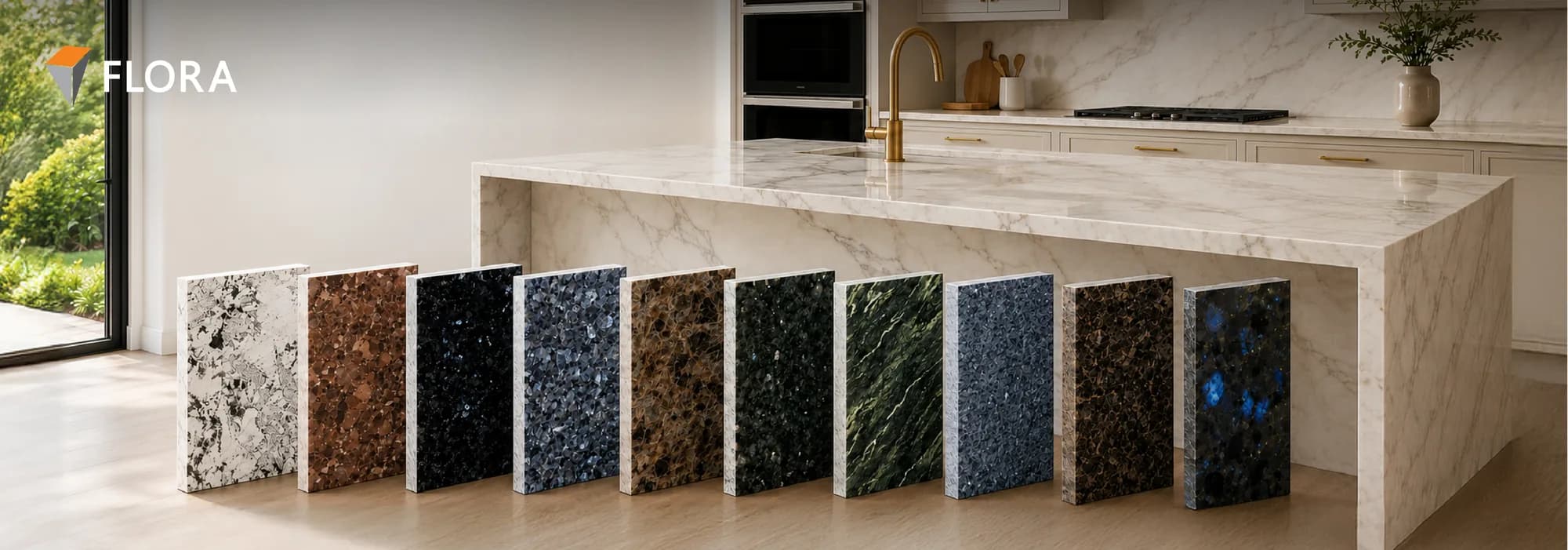
A kitchen is where a household actually gathers, not just where food is cooked. That is why the slab matters: it has to look right for years and take everything a family throws at it.
Granite and marble remain the two natural stones people come back to, because between them they cover both ends of that demand. Here is what each is good at, ten slabs worth seeing, and how to choose.
Why natural stone for a kitchen
It stands up to daily use
Granite is the harder of the two and shrugs off heavy daily use, which is why it dominates working kitchens. Marble is softer and more porous: it is beautiful, and it asks for more care in return. Neither fact is a flaw, but pretending marble is as tough as granite leads to disappointed owners.
It is genuinely one of a kind
Manufactured surfaces repeat a printed pattern every few slabs. Natural stone cannot: every slab carries its own combination of colour, texture and movement, so your counter is not in anyone else's kitchen.
The range is wide enough to match anything
From near-white through to deep blue and black, natural stone gives enough choice to sit beside any cabinetry, floor or metal finish you have already committed to.
It handles heat
Both granite and marble cope well with heat, which is a real advantage next to a hob. Trivets are still sensible under a pan straight off the flame, on any stone.
Upkeep is a choice, not a surprise
Granite is relatively low-maintenance. Marble wants faster attention to spills and stricter cleaning products. Decide which of those you will genuinely keep up before you choose.
Ten granite and marble slabs for kitchens
Every stone below is in our catalogue and can be seen as a full slab in the Mumbai gallery.
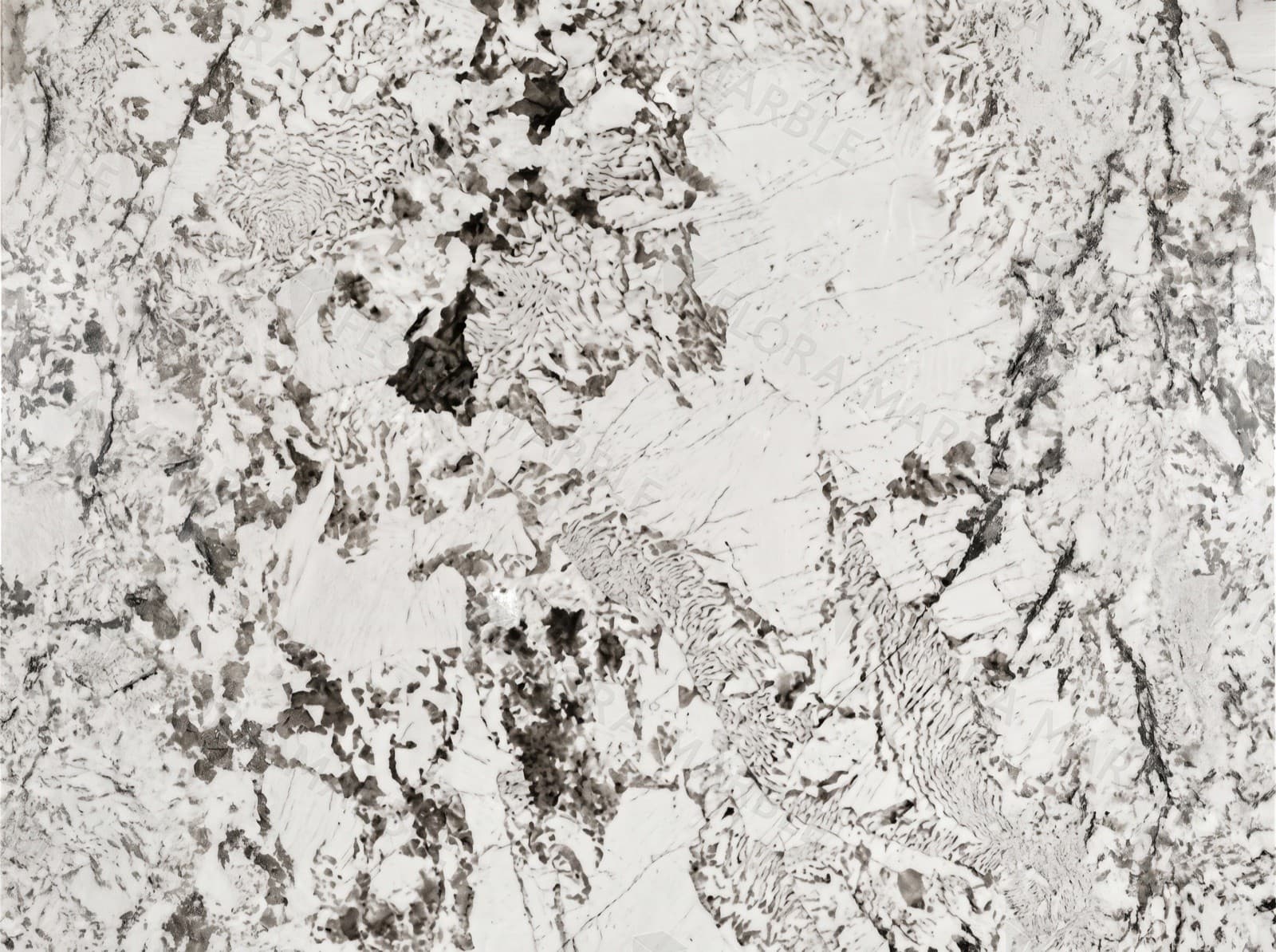
1. Alpinus. A sophisticated surface that adds depth and texture without overpowering the room. It sits well with contemporary cabinetry and neutral palettes.
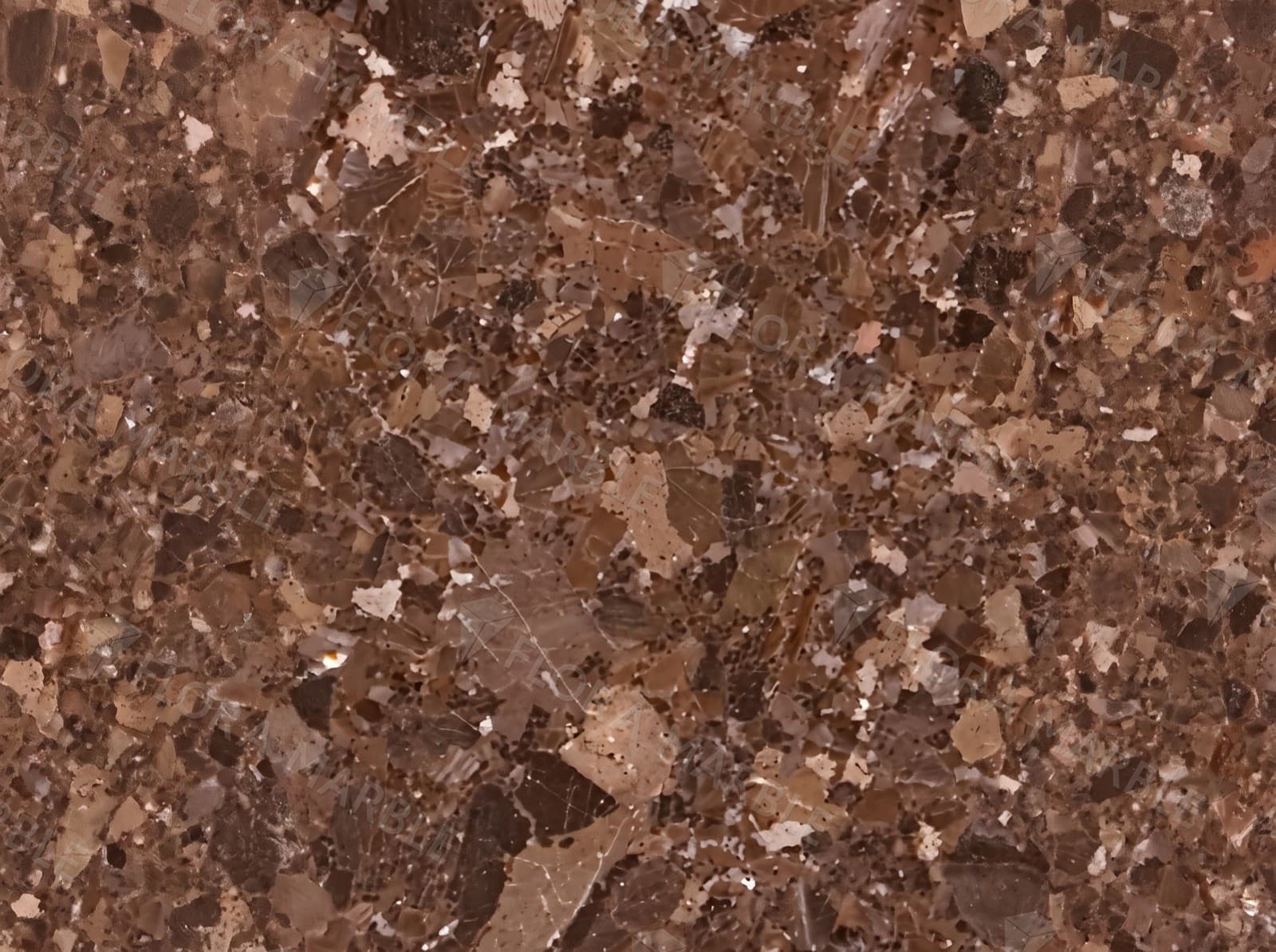
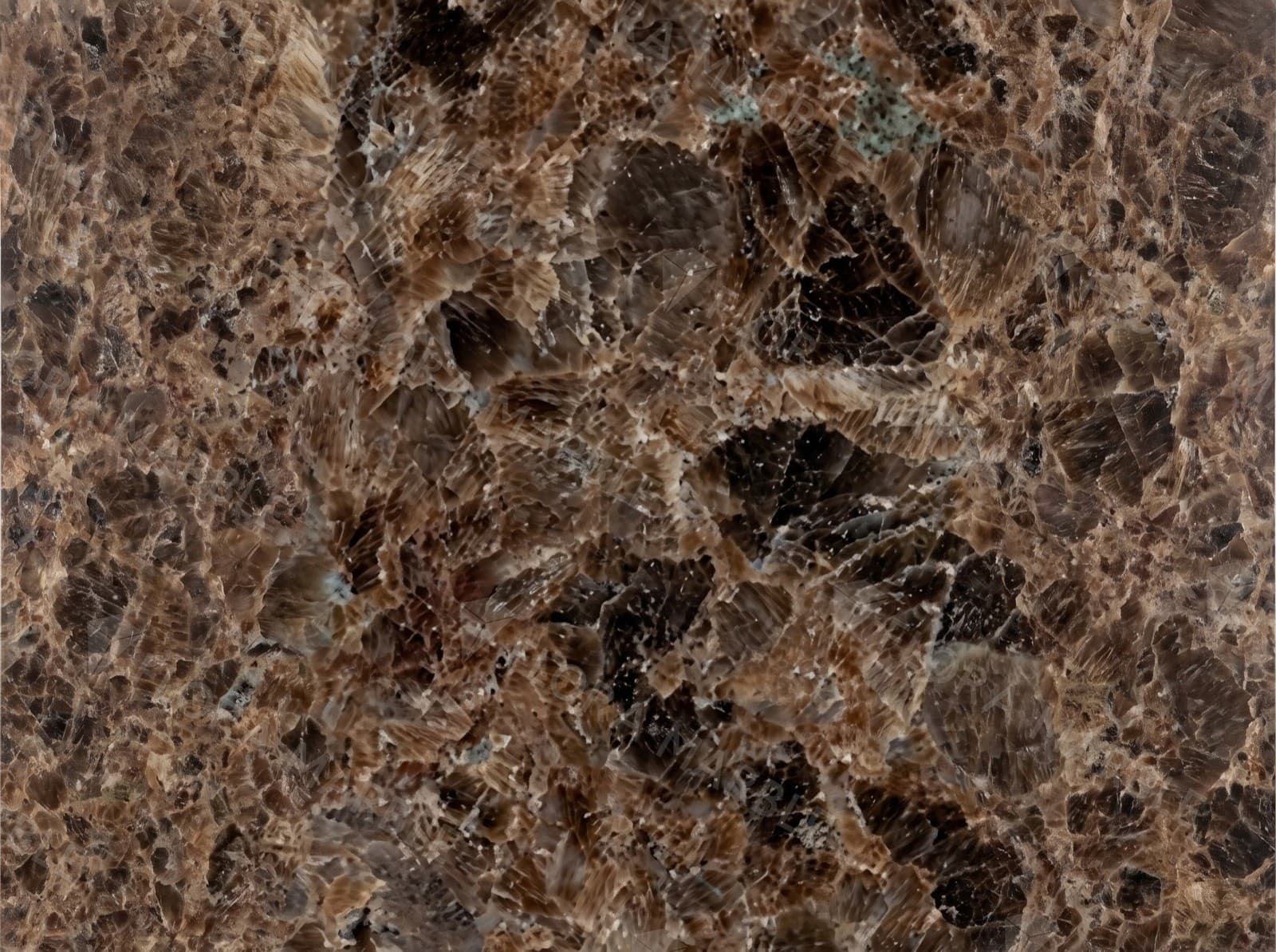
2. Antique Brown. For kitchens built on warm, earthy tones. The brown reads beautifully against timber cabinetry, cream finishes and warm lighting.
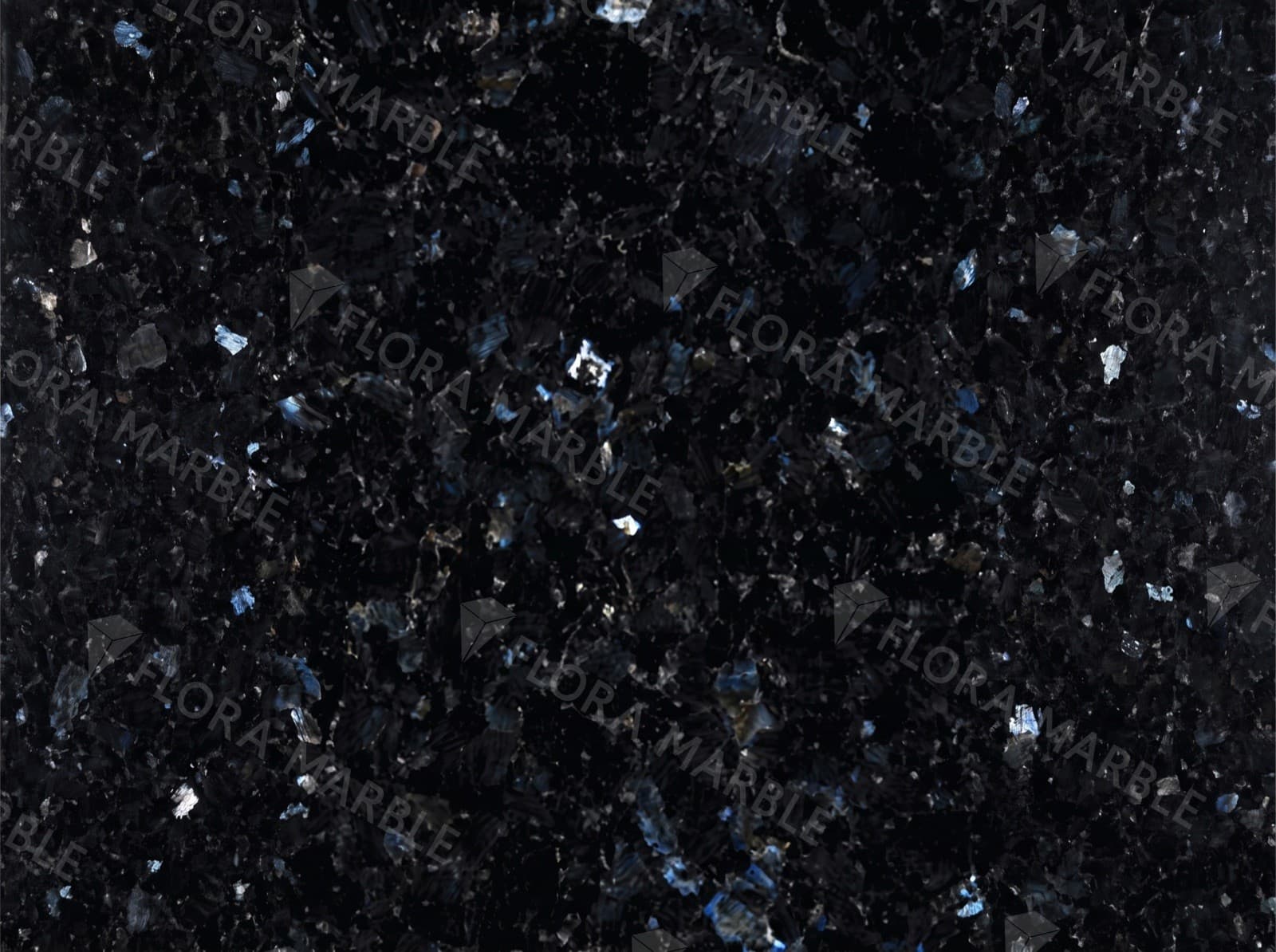
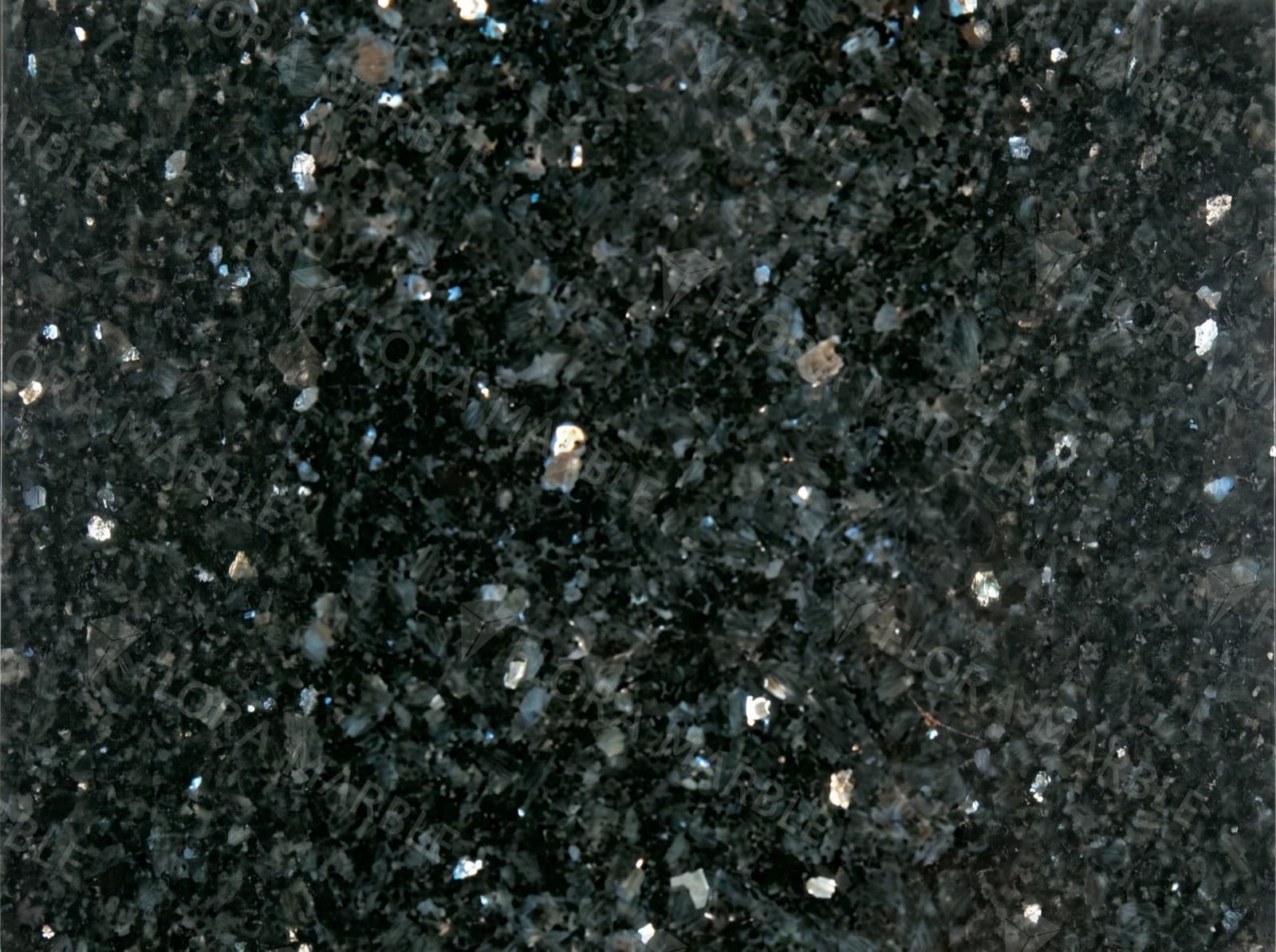
3. Black Pearl. A deep, elegant dark stone that creates real contrast against light cabinets, and holds its own across a large island.
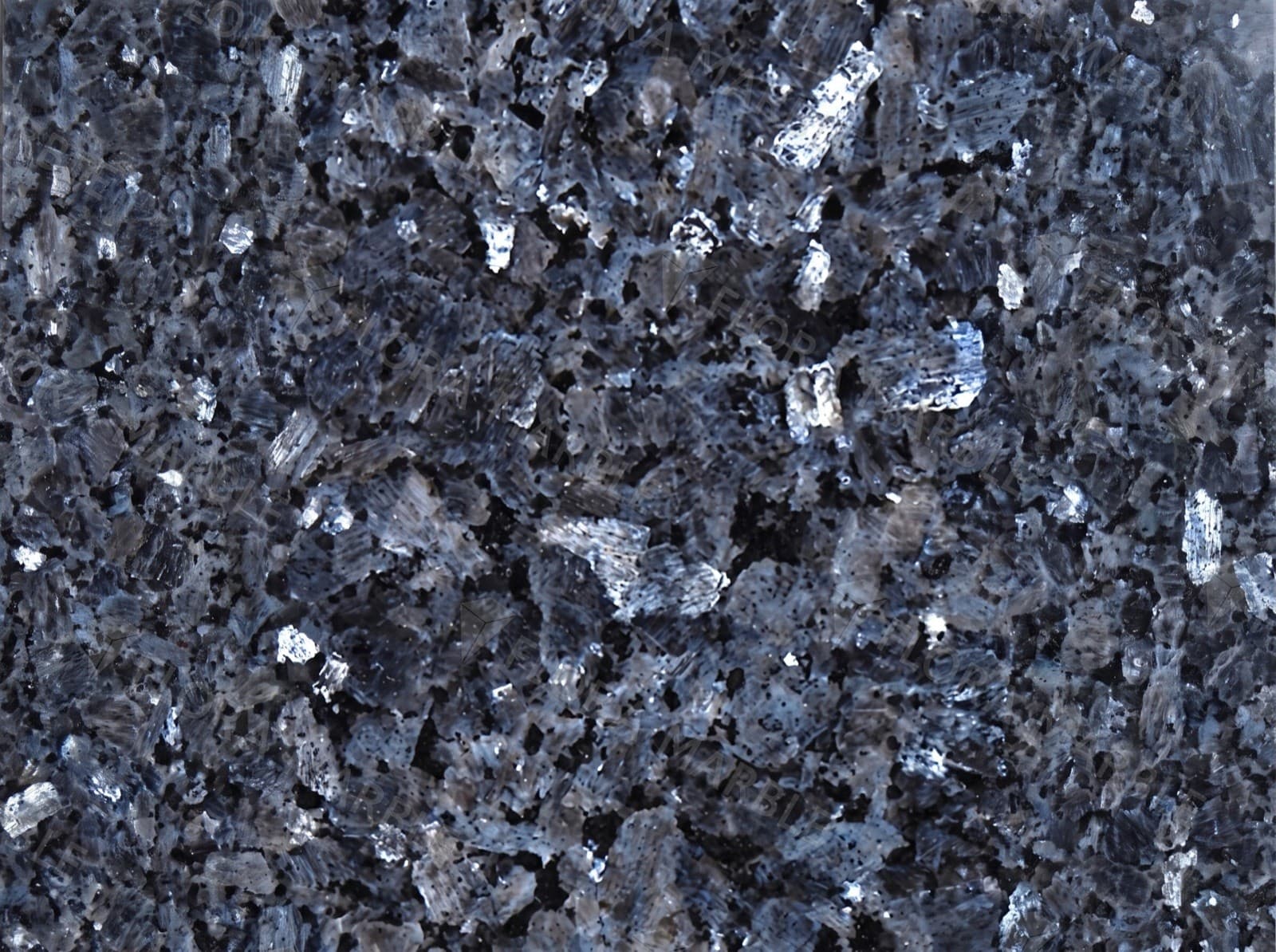
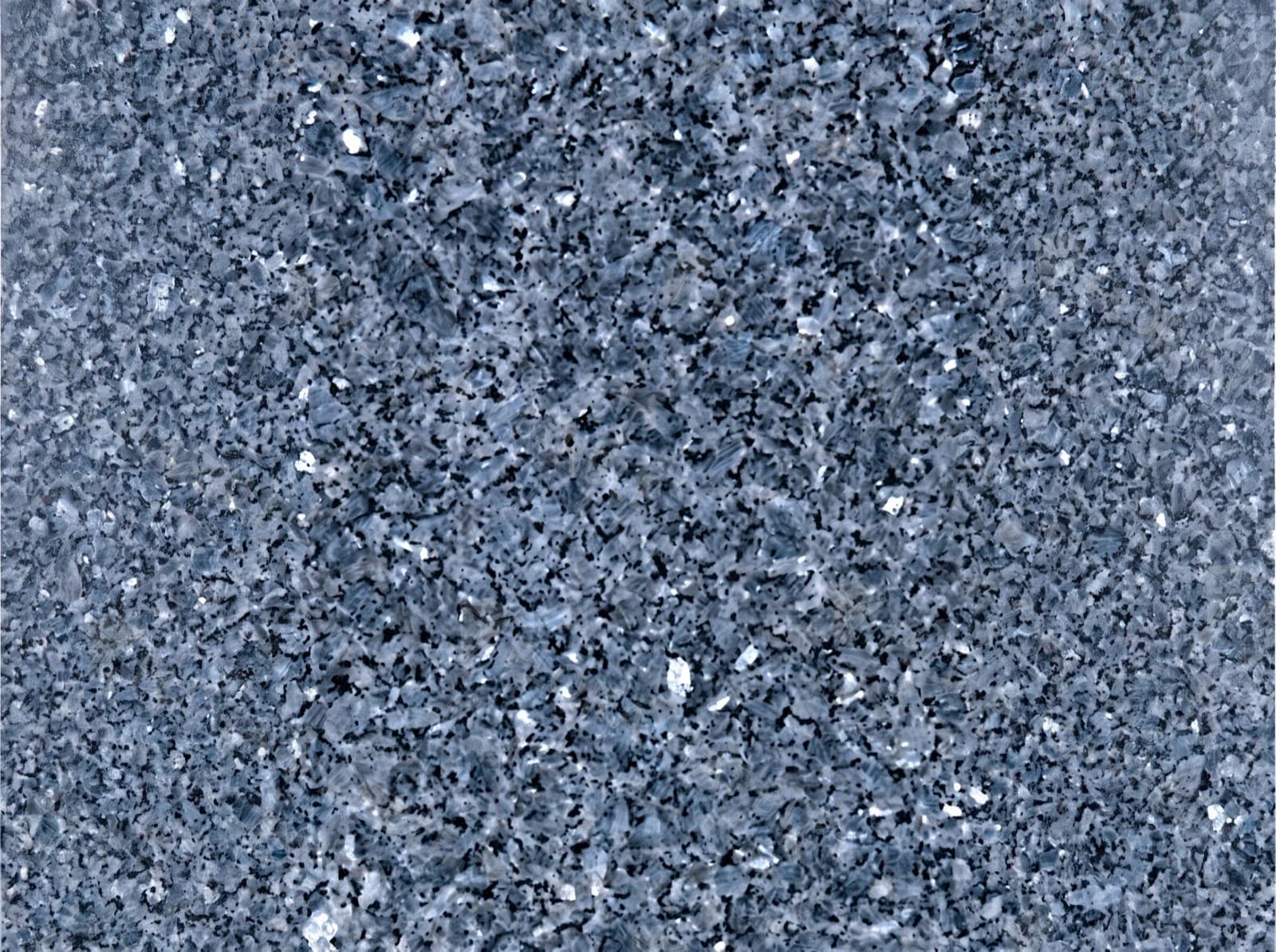
4. Blue Pearl. A cooler palette for anyone looking past the usual white, beige and black. Visual interest without dramatic veining.
5. Brown Pearl. Warm and sophisticated, at home with wooden finishes and earthy schemes. Elegant and inviting rather than showy.
6. Emerald Pearl. Rich and jewel-like. It turns a counter or island into the focal point, particularly against understated cabinetry.
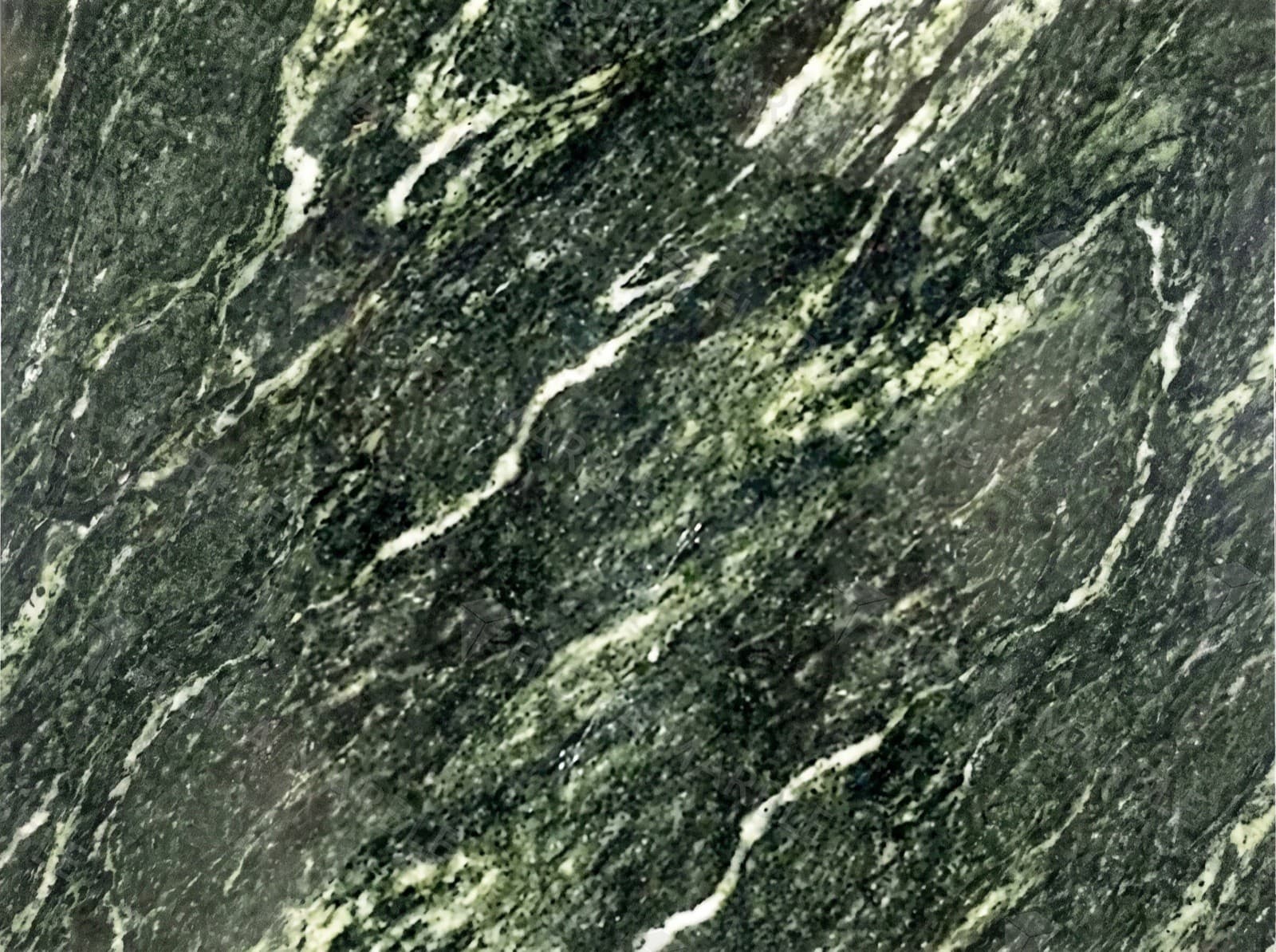
7. Green Verde. Brings a natural, organic feel. It can complement neutral cabinets or act as the bold decision in an expressive kitchen.
8. Grey Pearl. The flexibility of a neutral with the variation of real granite. Grey pairs with white, black, timber and metal without clashing.
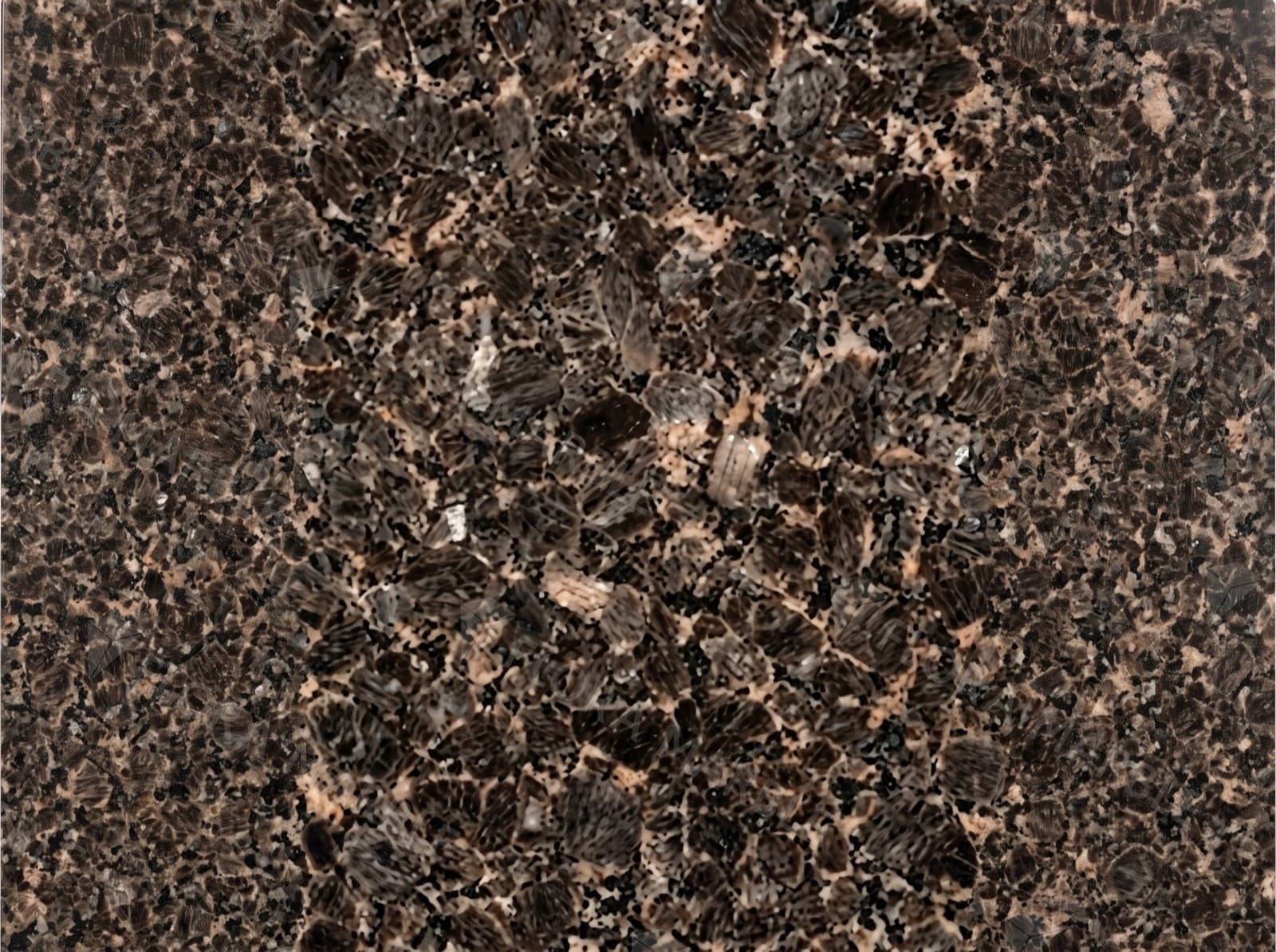
9. Imperial Brown. Another warm option, lending depth to traditional, transitional and warm contemporary kitchens.
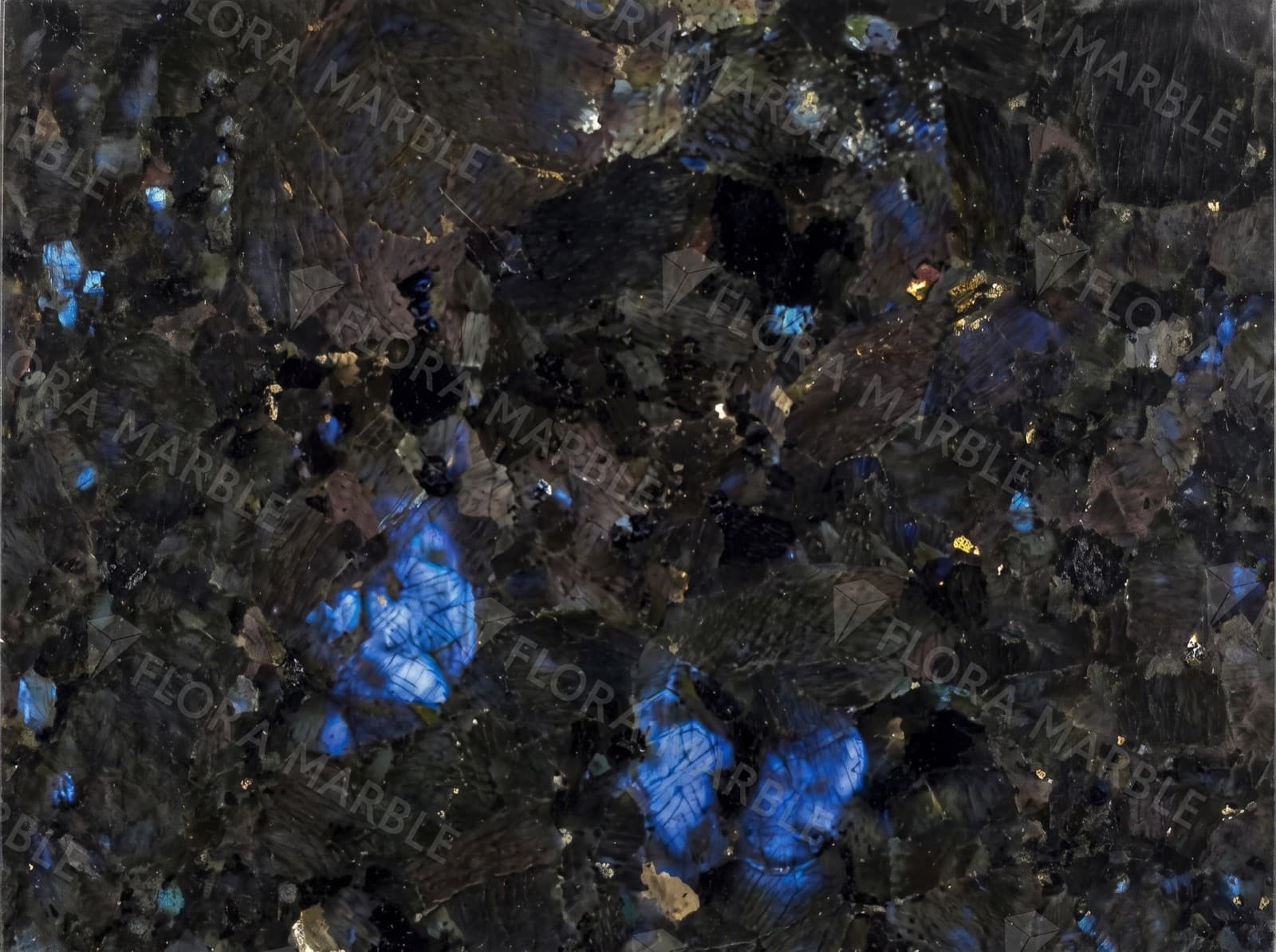
10. Volga Blue. Distinctive and expressive, with the strength and mineral character granite is chosen for.
The full range is in our granite collection.
How to choose the right slab
Start with the colours already decided
Look at your cabinetry, floor, walls and lighting first. Either carry the tone through for a cohesive room, or choose a dark or strongly patterned slab for deliberate contrast. Light cabinetry works with both.
Read the pattern, not just the colour
The movement in a stone sets the character of the whole kitchen. Subtle patterns keep a minimal scheme calm; dramatic ones are for when the counter or island is meant to be looked at. Remember that slabs of one variety differ.
Be realistic about how you cook
Is this a busy family kitchen? Do you cook daily, with heat, oil and acid in play? Granite suits hard use. Marble suits people who want the look and accept the upkeep.
Check what upkeep the stone asks for
- How often the surface needs cleaning
- Whether sealing is recommended, and how often
- How the stone resists staining
- Which cleaning products are safe on it
- Which finish suits the way you live
Plan slab size and seams early
Larger slabs mean fewer visible joints on an island and a cleaner result. Seam positions need planning around corners and sinks. If the same stone continues up as a splashback, the vein transition has to be planned too.
Granite or marble for a kitchen?
- Appearance
- Granite: mineral pattern and texture · Marble: veining and a softer, luxurious look
- Durability
- Granite: very hard-wearing · Marble: durable but softer and more easily etched
- Upkeep
- Granite: relatively easy · Marble: needs prompt, careful attention
- Heat
- Both cope well; use trivets regardless
- Best for
- Granite: high-use family kitchens · Marble: looks-led interiors
There is no universal winner. If durability and low upkeep lead, granite. If the veining is the reason you are doing this, marble. We compare them in more depth in marble vs granite.
Kitchen styles and the stone that suits them
- Modern: clean-lined cabinetry with an understated granite or marble
- Luxury: bold marble veining with premium cabinetry and careful lighting
- Minimalist: white or light slabs with subtle pattern, letting the architecture lead
- Traditional: warm-toned stone with classic movement
- Contemporary: contrasting cabinetry against a statement counter
- Open-plan: coordinate counter, island and splashback so the whole space reads as one
Keeping a stone counter right
- Wipe spills at once, before anything has time to sit
- Use cleaners made for natural stone
- Keep acidic and abrasive products away from the surface entirely
- Use trivets or heat mats under hot cookware
- Cut on a board, never directly on the stone
- Seal on the schedule recommended for your stone
- Wipe down regularly so residue never builds up
Mistakes worth avoiding
- Choosing on looks alone, under showroom lighting
- Ignoring the colours already fixed in the room
- Never seeing the slab in daylight
- Overlooking what the upkeep actually involves
- Not measuring, or not planning where the seams fall
- Picking a stone that does not match how the kitchen is used
A beautiful slab is only the right slab if it suits the way you live.
Choosing your kitchen stone with Flora Marble
A kitchen counter is a long-term investment in both the look and the working life of the room, so the supplier matters as much as the stone.
At Flora Marble we carry granite, marble and other natural stone across a wide range of colours, textures and finishes, selected at the quarry and finished at our own factory in Silvassa. Our team will talk you through which stones genuinely suit your kitchen and show you the actual lot before anything is cut.
See the collection or arrange a visit to the Vile Parle gallery in Mumbai.
Elevate the kitchen with the right stone
The right slab does more than cover a counter. It sets the tone of the room, carries the light and pulls the cabinetry together.
Weigh appearance, durability, upkeep and the rest of the interior together, compare real slabs rather than photographs, and the choice usually makes itself.
See it in person
Reading about stone is one thing — standing in front of it is another.
Flora Marble is an Italian and imported marble supplier in Mumbai — our stocked slabs stand in the Mumbai gallery ready to compare side by side, and catalogue stones are sourced to order from the quarry and finished at our own factory. Visit, and our family will help you choose.
Frequently asked
- Which is better for a kitchen slab, granite or marble?
- Neither is universally better. Granite is harder and easier to look after, which suits busy kitchens. Marble gives veining and a more luxurious look but needs more care. Choose on how your kitchen is used and how much upkeep you will realistically do.
- Is marble good for kitchen slabs?
- Yes, when appearance is the priority and you accept the upkeep. Marble offers veining and depth no other surface matches, but it is softer than granite and will etch if acids are left on it. A honed finish hides marks better than a polish.
- Which colour is best for a kitchen slab?
- There is no single best colour. It depends on your cabinetry, flooring, wall colour, lighting and style. Light stones open a room up; dark or strongly patterned stones create contrast and hold attention.
- How do I maintain a marble kitchen slab?
- Wipe spills immediately, use cleaners made for stone, and avoid harsh or acidic products. Use boards for cutting and mats under hot pans, and seal on the schedule recommended for your particular marble.
- How do I choose a granite or marble kitchen slab?
- Weigh appearance, durability, upkeep, slab size, finish, how the kitchen is used and your budget together. Most importantly, view the actual slab where you can, because natural stone varies significantly in colour and veining.
Stones in this story
Keep reading
Stone 101
Top 3 Best Italian Marble Varieties: Carrara, Calacatta and Corchia Compared
Carrara, Calacatta and Corchia compared: how each one looks, where it works best, and how to choose between them for floors, islands and feature walls.
Guides
Stone for Feature & Statement Walls
A single wall of natural stone can carry a whole room. How to choose stone for a feature wall — which stones, which finish, backlighting and book-matching — for maximum effect.